
The Circadian Law: Direct sunlight in the morning synchronizes your central biological clock; darkness and gentle warmth-based relaxation at sunset support the natural secretion of melatonin. Swapping evening screen blue light for a 15-minute session in warm dim light noticeably speeds up falling asleep.
There's a clock in your head. And it's not just a figure of speech, nor the alarm set on your phone. It's a microscopic cluster of roughly 20,000 neurons, sitting just above the optic chiasm where the nerves from your eyes cross, ticking through a daily cycle of about 24 hours and 10 minutes. Its scientific name is the suprachiasmatic nucleus. In plain terms: your circadian clock.
This internal clock governs almost everything the body does automatically. It raises body temperature at dawn and lowers it at night. It triggers the release of cortisol (the hormone of morning alertness) with the first light, and melatonin (the hormone of rest) at sunset. It tells the liver when to process nutrients, the kidneys when to produce urine, and the mind when to be active or when it needs sleep.
It works on its own. It's almost entirely self-sufficient. Yet it must be recalibrated every morning by the most powerful stimulus in nature: light.
How light regulates your internal clock
Photons pass through the eye via the pupil. They reach the retina at the back of the eye. In that instant, something remarkable happens: a specialized group of cells, different from the rods and cones we learned about in school, detects the wavelength of the light and sends an electrical signal straight to the circadian clock. They're called intrinsically photosensitive retinal ganglion cells, and they're the reason your body can tell dawn from dusk.
These cells respond most strongly to short-wavelength blue light in the morning and to long-wavelength warm, amber tones at sunset. Fittingly, that's exactly what the sun delivers across the sky throughout the day. Bright, blue-toned light tells the brain: "it's daytime, get moving." Warm, soft light signals: "evening has arrived, slow down." Artificial lighting, depending on its source and color temperature, can completely disrupt this natural biological sequence.
Why morning light matters
Morning sunlight exposure is the clearest signal the body receives about the time of day. Soaking up a few minutes of direct or indirect natural light — ideally within the first hour after waking — delivers three immediate benefits: it halts leftover nighttime melatonin, drives a healthy rise in cortisol to sharpen the mind, and synchronizes the start of your circadian rhythm so the whole day keeps its biological balance.
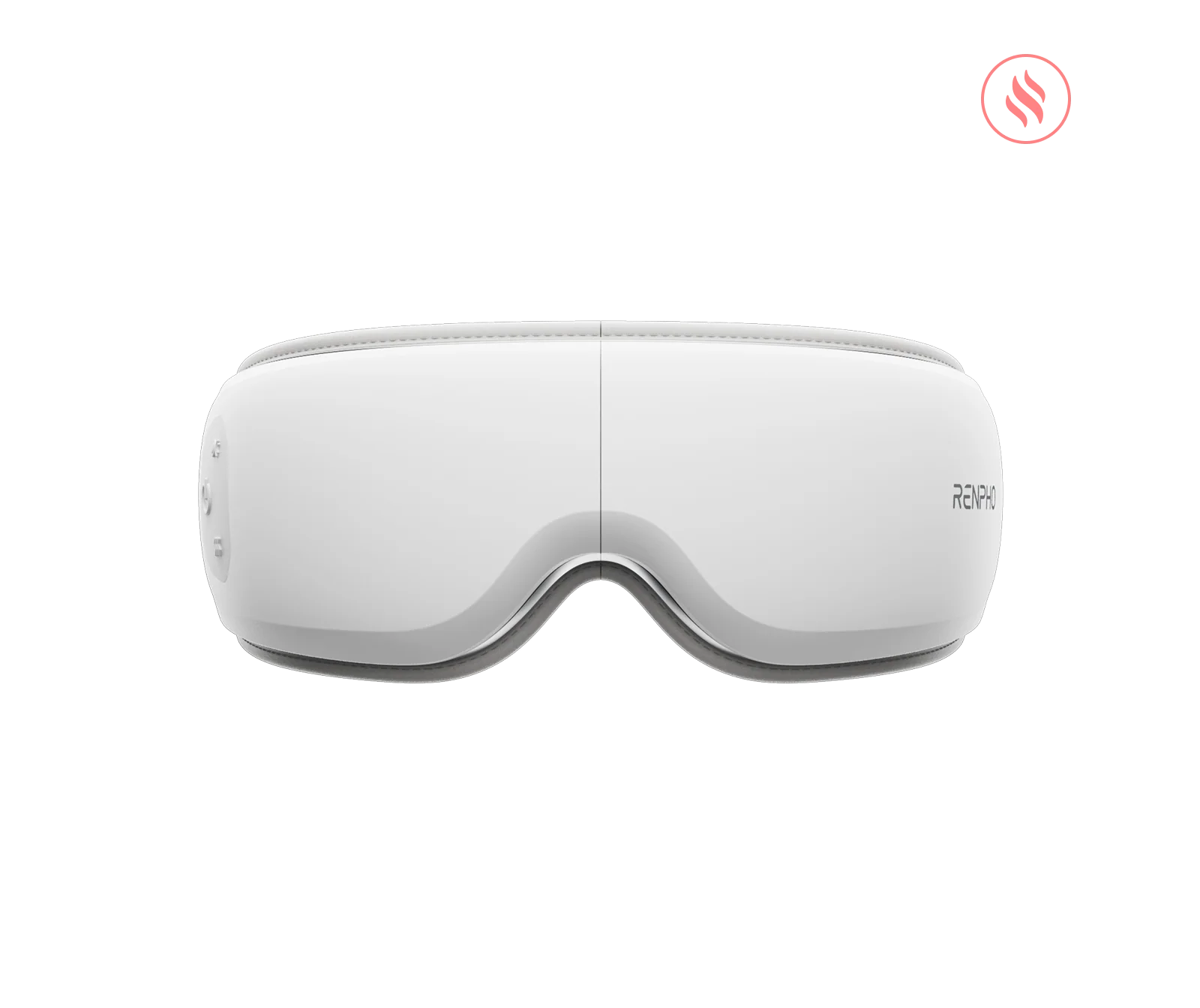
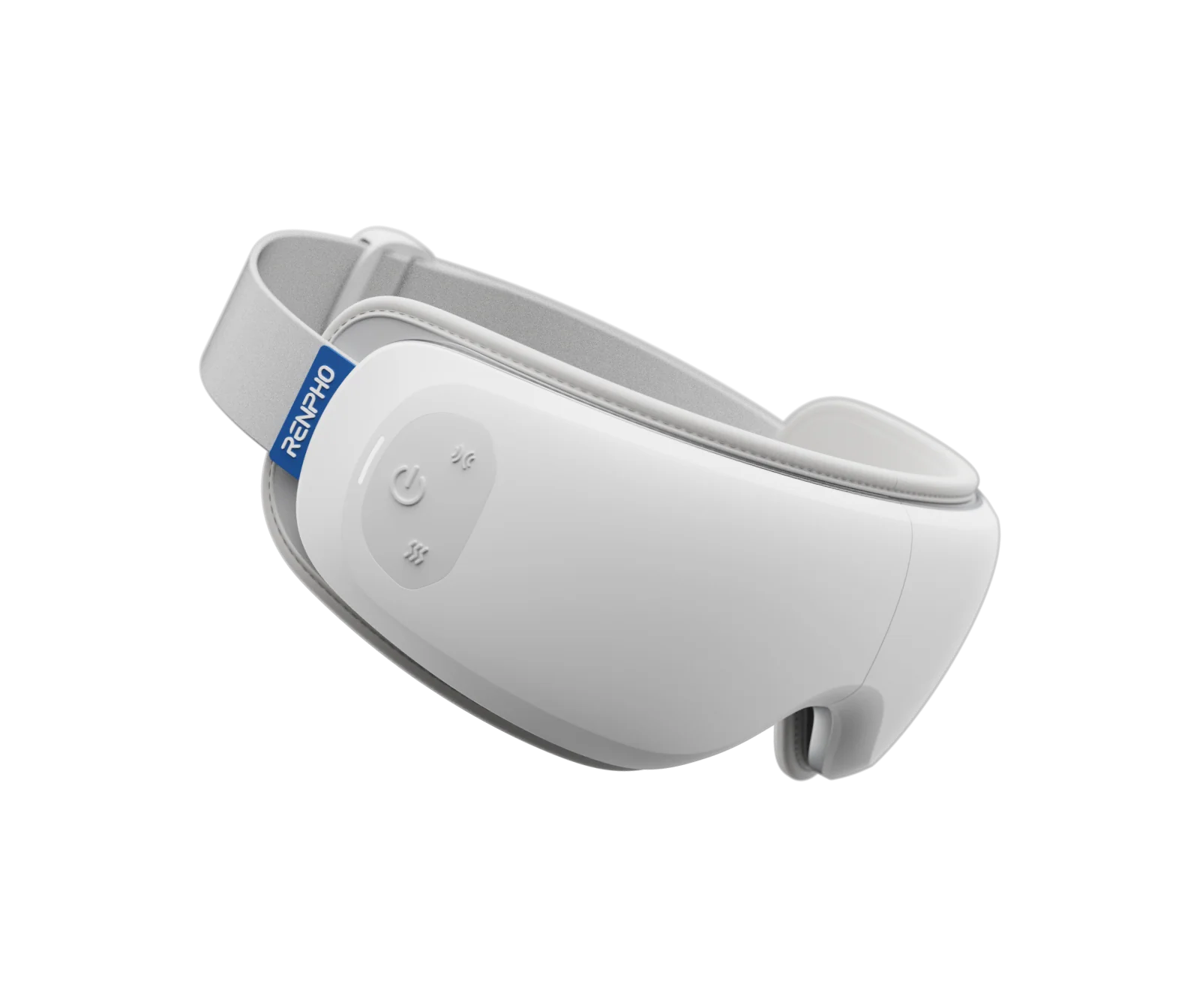
On the other end of the cycle, protecting your eyes in the late afternoon and evening is just as important. After hours spent in front of computer screens and fluorescent office lighting, retinal cells stay overstimulated, tricking the nervous system and delaying melatonin production. That's why a soothing evening routine — such as 15 minutes of total darkness with the Renpho Eyeris Zen Eye Massager — is deeply restorative. By covering the eyes in darkness while delivering steady, soothing heat between 40°C–42°C along with gentle air compression on the temples, it eases eye strain and tells the body that the visual day is over.
Light in the evening hours
Evening lighting works the opposite way. Dim light with a warm color spectrum — such as candles, soft lamps, or amber tones — tells the biological clock that night has arrived. This lets melatonin levels rise gradually, easing the body into sleep naturally.
By contrast, cold, bright, blue-heavy light — typical of overhead LED spotlights, offices, and smartphones — fools the brain into thinking it's still broad daylight. It suppresses melatonin production, delays natural sleepiness, and disrupts deep sleep continuity. This isn't a minor detail — it's a well-documented biological interference that fuels chronic fatigue.
The impact of screens
You've probably heard the classic advice: smartphones and computers emit high levels of blue light, suppress melatonin, and make it harder to fall asleep. Ideally, you'd avoid them entirely in the hour before bed. That's excellent advice, but in today's pace of life it's often difficult to follow with strict discipline.
The practical, effective alternative: use the warm modes and brightness controls on your devices. Features like Eye Comfort, Night Shift, or dark mode help by shifting the color temperature from blue toward warmer tones. While they don't replace total darkness, they meaningfully reduce the negative impact. Turn them on every day after 8 p.m.
Practical takeaways
The circadian formula, boiled down to five key points:
- Get direct sunlight during the first hour after waking to set your biological clock.
- Dim artificial lights after sunset and give yourself a moment of downtime with a warm eye mask in total darkness.
- Turn on warm evening light filters on your phone and screens starting at 8 p.m.
- Keep a consistent wake-up time every day, weekends included.
- Trust the natural rhythms of light — their biological effectiveness is well established.
Expensive, complicated gadgets are entirely optional. Respecting your body's natural rhythms of light and dark is not.